
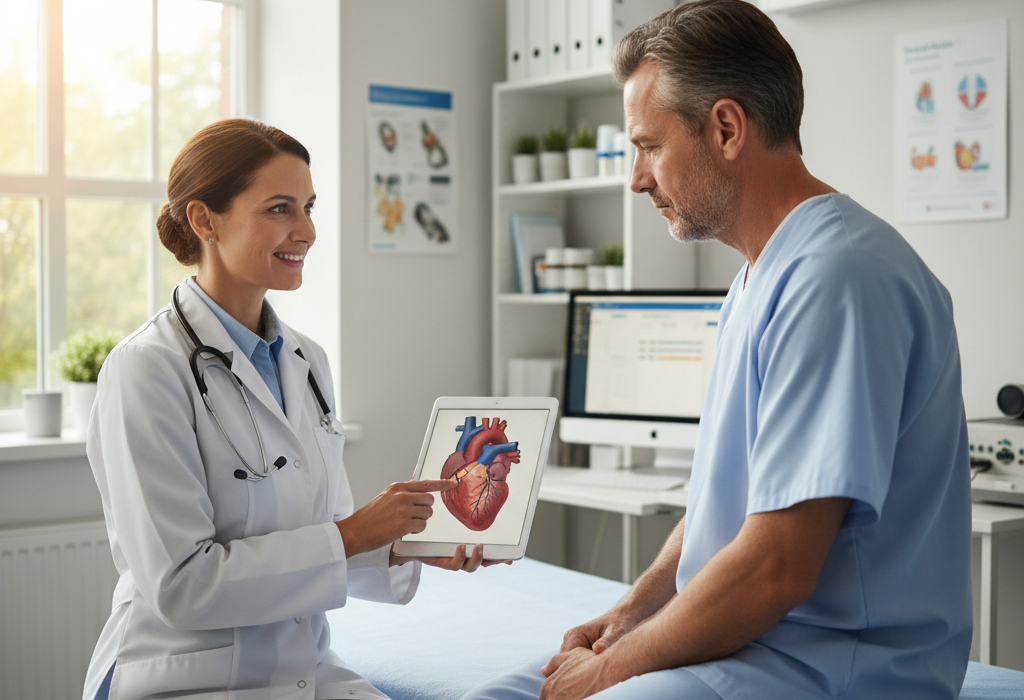
Heart Health 101: A Doctor’s Guide
Your heart is the most important muscle in your body. It pumps blood, supplies oxygen, and keeps every cell alive. Yet, many people don’t take proper care of their heart until they face serious health issues.
Heart disease is one of the leading causes of death in the world. The good news? Most heart problems are preventable with healthy habits, awareness, and early medical care.
In this blog, we’ll explore everything you need to know about heart health — what affects it, how to protect it, and what small steps can make a big difference.
What Is Heart Health?
Heart health means keeping your heart strong and your blood vessels clear. It’s not just about avoiding heart attacks — it’s about maintaining good blood pressure, normal cholesterol, and a balanced lifestyle.
A healthy heart ensures your brain, kidneys, and other organs get the oxygen and nutrients they need.
How the Heart Works
The heart is a powerful organ about the size of your fist. It works as a pump with four chambers: two atria (upper) and two ventricles (lower).
It pumps blood in two directions:
- From the right side to the lungs for oxygen.
- From the left side to the rest of the body.
This process repeats about 100,000 times a day, keeping you alive every second.
Why Heart Health Matters
When your heart is healthy, you have more energy, clear thinking, and a longer life. But when your heart is weak or your arteries are blocked, your whole body suffers.
Heart problems can cause fatigue, chest pain, breathlessness, and even sudden death. That’s why prevention is always better than treatment.
Common Heart Diseases
There are several types of heart conditions. Understanding them helps you detect warning signs early.
1. Coronary Artery Disease (CAD)
This happens when the arteries that supply blood to the heart get blocked by cholesterol or fat. It can lead to heart attacks.
2. Heart Attack (Myocardial Infarction)
A heart attack occurs when blood flow to a part of the heart is suddenly blocked. The heart muscle gets damaged or dies.
3. Heart Failure
This doesn’t mean the heart stops, but it can’t pump blood effectively. The body becomes weak and swollen due to poor circulation.
4. Arrhythmia
This means an irregular heartbeat — either too fast, too slow, or uneven.
5. High Blood Pressure (Hypertension)
This is when the pressure of blood against artery walls is too high. Over time, it can damage the arteries and the heart.
6. Congenital Heart Disease
Some people are born with heart defects that affect blood flow and heart function.
Causes of Heart Disease
Heart problems develop slowly over time. The main causes include:
- Unhealthy Diet: Too much sugar, salt, and fried food.
- Lack of Exercise: Sitting too long weakens your heart.
- Smoking and Alcohol: Both damage arteries and increase blood pressure.
- Obesity: Being overweight puts extra strain on the heart.
- High Cholesterol: Blocks arteries and reduces blood flow.
- Stress: Constant tension raises blood pressure and hormones that damage the heart.
- Family History: Some people have a genetic risk for heart disease.
Warning Signs of Heart Problems
Heart disease can develop silently, but some symptoms are clear red flags:
- Chest pain or tightness
- Shortness of breath
- Dizziness or fainting
- Pain in arms, jaw, or back
- Irregular or rapid heartbeat
- Extreme tiredness
- Swelling in legs, ankles, or feet
If you feel any of these, seek medical help immediately. Don’t ignore the signs — early treatment saves lives.
How Doctors Diagnose Heart Disease
Doctors use several tests to check your heart health:
- Electrocardiogram (ECG): Measures heart rhythm and electrical activity.
- Echocardiogram: Uses sound waves to show heart structure and function.
- Blood Tests: Check cholesterol, sugar, and heart enzyme levels.
- Stress Test: Monitors your heart while exercising.
- Angiogram: Shows blockages in arteries using dye and X-rays.
These tests help doctors plan the right treatment before damage becomes serious.
Lifestyle and Heart Health
Your lifestyle plays the biggest role in your heart’s well-being. The choices you make daily can either protect or harm it.
1. Eat a Heart-Healthy Diet
Choose foods that lower cholesterol and support blood flow. Eat:
- Whole grains
- Fruits and vegetables
- Lean proteins (fish, chicken, lentils)
- Nuts and seeds
Avoid:
- Fried food
- Sugary drinks
- Processed snacks
- Red meat in large amounts
2. Exercise Regularly
Just 30 minutes of brisk walking, swimming, or cycling daily can reduce your heart disease risk by 40%.
3. Control Weight
Excess fat increases blood pressure and cholesterol. Aim for a healthy body weight through balanced eating and regular activity.
4. Quit Smoking
Smoking damages blood vessels and reduces oxygen supply to the heart. Quitting lowers heart attack risk within months.
5. Limit Alcohol
Too much alcohol raises blood pressure and causes irregular heartbeat.
6. Sleep Well
7–8 hours of sleep keeps blood pressure normal and reduces stress.
The Role of Stress in Heart Health
Stress affects your heart more than you think. It increases cortisol levels, raises blood pressure, and causes inflammation.
When you are stressed, your heart beats faster, and blood vessels tighten. Over time, this damages the arteries.
Manage stress by:
- Practicing meditation or yoga
- Spending time with family
- Taking breaks from work
- Listening to music
- Breathing deeply
Heart Health and Mental Well-being
Your emotions can affect your heart. Depression and anxiety increase the risk of heart disease.
When you are mentally happy, your heart functions better. Positive emotions release hormones that relax blood vessels and improve circulation.
Talking to a counselor or joining a support group can help manage emotional stress.
How Age and Gender Affect Heart Health
- Men tend to develop heart disease earlier (around age 45+).
- Women are more protected before menopause, but risk increases afterward.
- Older adults should monitor blood pressure and cholesterol regularly.
No matter your age, lifestyle changes can still make a difference.
The Role of Cholesterol
Cholesterol is a fatty substance in the blood. You need some for healthy cells, but too much is harmful.
- LDL (Bad Cholesterol): Clogs arteries.
- HDL (Good Cholesterol): Removes LDL from the body.
To lower LDL, eat less fried food, exercise more, and include fiber-rich foods.
Importance of Blood Pressure Control
High blood pressure silently damages arteries and increases heart attack risk.
To control it:
- Reduce salt intake
- Exercise regularly
- Stay calm under stress
- Take prescribed medication if needed
The Power of Regular Checkups
Don’t wait for symptoms to appear. Get a heart check-up at least once a year, especially if you:
- Are over 40
- Have diabetes or high blood pressure
- Smoke or drink regularly
- Have a family history of heart disease
Early detection saves lives.
Treatment Options for Heart Disease
Treatment depends on the condition’s severity. Doctors may suggest:
- Lifestyle Changes: The first step for mild conditions.
- Medications: To lower blood pressure, cholesterol, or prevent clots.
- Surgery or Procedures: Like angioplasty or bypass surgery to open blocked arteries.
Follow your doctor’s advice carefully and take medicines regularly.
How to Support a Loved One With Heart Disease
If someone you know has heart problems:
- Encourage them to follow a healthy lifestyle.
- Remind them to take medication on time.
- Offer emotional support.
- Join them in light physical activities like walking.
Support makes recovery faster and easier.
Future of Heart Health
Modern medicine is developing better treatments every year — from stents and pacemakers to stem cell therapy.
But prevention will always remain the best cure. Technology helps, but nothing replaces a healthy lifestyle and awareness.
Conclusion
Your heart works 24/7 to keep you alive. Show it the care it deserves. A healthy heart doesn’t come from one big change — it comes from daily good habits: eating right, staying active, avoiding stress, and getting checkups.
Remember, heart disease is preventable. The earlier you start caring, the longer and healthier your life will be.
✅ Prevention Tips
- Eat healthy, exercise daily, and avoid smoking or alcohol.
- Manage stress with meditation and positive thinking.
- Get your blood pressure and cholesterol checked regularly.