
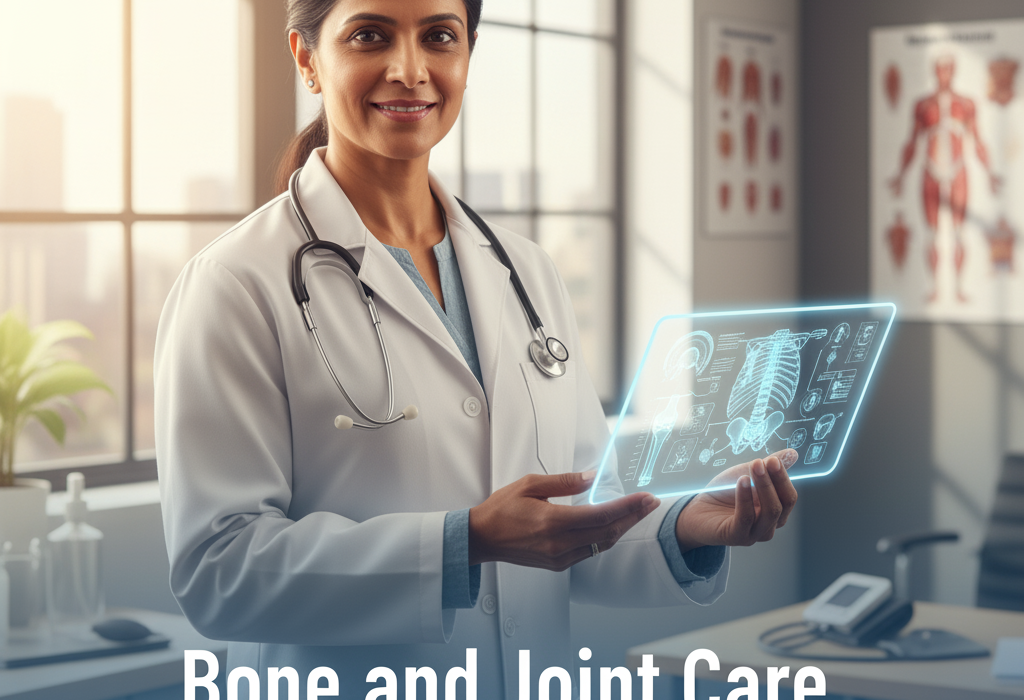
Bone and Joint Care: A Complete Doctor’s Guide
Bones and joints form the foundation of our body.
They give us structure, strength, and movement.
From the smallest bones in our ears to the longest in our legs, every bone plays a vital role.
Yet, many people take their bone and joint health for granted — until pain or stiffness begins.
In this detailed guide, let’s understand how our bones and joints work, what weakens them, and how to protect them naturally throughout life.
🧠 What Are Bones?
Bones are living tissues that constantly grow, repair, and rebuild themselves.
They are not just hard structures — they store minerals like calcium and phosphorus, produce blood cells, and support the body.
An adult human body has 206 bones.
These bones are connected by joints that allow movement.
Strong bones protect vital organs such as the heart, brain, and lungs.
🦵 What Are Joints?
A joint is where two or more bones meet.
They work like hinges, helping your body move smoothly.
There are different types of joints:
- Ball and socket joints – like the shoulder and hip, allow movement in all directions.
- Hinge joints – like the knee and elbow, move back and forth.
- Pivot joints – like the neck, allow rotation.
- Gliding joints – like the wrists and ankles, allow smooth sliding movements.
Healthy joints have cartilage, a soft, flexible tissue that prevents friction between bones.
🩺 Why Bone and Joint Health Matters
Bone and joint health is crucial for everyday activities — walking, lifting, sitting, even breathing.
Weak bones or damaged joints can limit your movement, cause pain, and reduce your independence.
Strong bones prevent fractures.
Healthy joints allow flexibility and mobility, helping you enjoy life at any age.
📊 Common Bone and Joint Problems
With age, poor diet, or injury, many people face bone and joint issues. Let’s explore some common ones.
1. Osteoporosis
A condition where bones become thin, weak, and fragile.
Even a small fall can cause fractures.
Causes: Lack of calcium, vitamin D deficiency, hormonal changes, and aging.
2. Arthritis
Inflammation of the joints that causes pain, swelling, and stiffness.
There are over 100 types of arthritis, but the most common are osteoarthritis and rheumatoid arthritis.
- Osteoarthritis: Wear and tear of cartilage.
- Rheumatoid arthritis: Autoimmune disease where the body attacks its own joints.
3. Osteopenia
Early stage of bone thinning before osteoporosis.
It’s a warning sign to improve your diet and lifestyle.
4. Fractures
Breaks or cracks in bones caused by injury, accidents, or weak bones.
Common in wrists, hips, and spine in older adults.
5. Back and Neck Pain
Due to bad posture, muscle strain, or degeneration of spinal discs.
Affects millions worldwide due to long hours of sitting or screen time.
6. Joint Stiffness
Common after injuries or with aging.
Lack of movement and reduced lubrication inside joints can cause stiffness.
🥛 The Role of Calcium and Vitamin D
Calcium and Vitamin D are two superheroes for your bones.
- Calcium builds bone structure.
- Vitamin D helps your body absorb calcium.
Without enough of them, your bones weaken over time.
🥗 Good Sources of Calcium:
- Milk, yogurt, cheese
- Almonds, sesame seeds
- Leafy green vegetables
- Fortified plant milks (soy, almond)
🌞 Sources of Vitamin D:
- Sunlight (15–20 minutes daily)
- Fish like salmon, tuna
- Egg yolks
- Fortified dairy products
🏃♀️ Exercise for Bone and Joint Strength
Movement keeps your bones and joints healthy.
When you exercise, your bones become stronger and denser.
Best Exercises:
- Weight-bearing: Walking, jogging, dancing, climbing stairs.
- Resistance training: Lifting light weights or using resistance bands.
- Flexibility exercises: Yoga and stretching to keep joints mobile.
- Balance training: Tai chi or balance boards to prevent falls.
If you sit for long hours, try standing or walking every 30 minutes.
🪑 Posture and Body Alignment
Poor posture is a silent enemy of bones and joints.
Slouching while sitting or standing puts stress on your spine and neck.
Posture Tips:
- Keep your back straight when sitting.
- Avoid bending your neck too much while using a phone.
- Use ergonomic chairs with proper back support.
- Sleep on a medium-firm mattress.
Good posture prevents spinal pain and long-term deformities.
🧬 Age and Hormones
As we age, bone density naturally decreases.
In women, menopause causes a drop in estrogen — a hormone that protects bones.
That’s why women are more prone to osteoporosis after age 50.
Men also lose bone density gradually with age, especially if they smoke, drink, or are inactive.
🍎 Nutrition for Strong Bones and Joints
A balanced diet full of vitamins, minerals, and antioxidants is key.
Essential Nutrients:
- Calcium: For bone structure.
- Vitamin D: Helps calcium absorption.
- Vitamin K: Improves bone formation.
- Magnesium and Zinc: Support bone growth.
- Omega-3 fatty acids: Reduce joint inflammation.
Healthy Foods to Include:
- Milk, yogurt, and cheese
- Green vegetables (broccoli, kale, spinach)
- Nuts and seeds
- Fatty fish (salmon, sardines)
- Fruits like oranges and bananas
- Whole grains
Avoid excessive caffeine, soda, and processed foods — they reduce calcium absorption.
🚭 Habits That Harm Bones and Joints
Some daily habits slowly damage your bones and joints without you realizing it.
1. Smoking
Nicotine decreases blood flow to bones, slowing healing and calcium absorption.
2. Alcohol
Too much alcohol interferes with vitamin D, leading to weak bones.
3. Inactivity
Sitting for long hours weakens both bones and muscles.
4. Skipping Meals
Leads to nutrient deficiency and reduced bone mass.
🦽 Bone and Joint Care for Seniors
Older adults are more prone to fractures and arthritis.
But simple daily habits can help them maintain mobility.
Tips for Seniors:
- Do light exercises like walking or yoga.
- Use supportive footwear.
- Ensure good lighting to avoid falls.
- Check bone density every 1–2 years.
- Maintain a healthy weight to reduce joint stress.
🩺 Medical Treatments and Tests
Doctors use several tools to check your bone and joint health.
Common Tests:
- Bone Density Scan (DEXA): Measures bone strength.
- X-rays: Check for fractures or arthritis.
- MRI: Detects soft tissue and cartilage problems.
- Blood tests: Check calcium, vitamin D, or hormonal issues.
Treatments:
- Supplements: Calcium and vitamin D tablets if needed.
- Medications: For arthritis or osteoporosis.
- Physical therapy: To restore movement.
- Joint injections: Reduce pain and inflammation.
- Surgery: In severe cases (hip or knee replacement).
🧘♂️ Natural Ways to Support Bone and Joint Health
- Stretch daily.
Keeps muscles flexible and joints lubricated. - Maintain a healthy weight.
Extra weight puts pressure on knees and hips. - Stay hydrated.
Water keeps joints lubricated. - Sleep well.
Your body repairs bones and tissues during rest.
🦵 Understanding Arthritis Care
If you already have arthritis, the goal is to reduce pain and maintain flexibility.
Care Tips:
- Use warm compresses to relax muscles.
- Do gentle stretching every morning.
- Avoid high-impact sports.
- Follow prescribed medications regularly.
- Keep a healthy diet and avoid inflammatory foods like processed meat.
💊 Supplements for Bone and Joint Health
Some supplements can help if your diet lacks nutrients.
Common Options:
- Calcium citrate or carbonate
- Vitamin D3
- Collagen peptides
- Glucosamine and chondroitin
- Fish oil (Omega-3)
Always consult your doctor before starting supplements.
🦿 Injury Prevention
Preventing falls and injuries is the best way to protect your bones.
- Wear shoes with good grip.
- Use support when walking on slippery surfaces.
- Keep your home well-lit and clutter-free.
- Avoid sudden jerky movements.
Even one fall can cause serious fractures, especially in older adults.
🧩 Bone Health in Children and Teenagers
Bone mass develops most rapidly during childhood and teenage years.
Encouraging healthy habits early sets a strong foundation.
For Kids:
- Give them calcium-rich food.
- Encourage outdoor play for vitamin D.
- Limit sugary drinks and junk food.
- Promote posture awareness while studying.
💻 Modern Lifestyle and Its Impact
Sedentary work, fast food, and stress have made bone and joint problems more common in younger people.
Sitting all day reduces bone density, and processed food lacks essential nutrients.
Taking short walks, eating homemade food, and doing simple stretches during breaks can make a big difference.
🧬 Future of Bone and Joint Medicine
Modern medicine is advancing rapidly.
Today, we have:
- 3D-printed bone implants
- Stem cell therapy
- Artificial joints with better flexibility
- Regenerative medicine for cartilage repair
These innovations give hope to patients with severe damage.
🩸 Bone and Joint Health for Women
Women need extra care due to hormonal changes, pregnancy, and menopause.
Doctor Tips for Women:
- Get bone density tests after 40.
- Eat more calcium and vitamin D.
- Avoid crash diets.
- Practice yoga or low-impact workouts.
- Discuss hormone therapy options with your doctor if needed.
💬 Final Thoughts
Strong bones and flexible joints are not just about fitness — they are about freedom.
They let you walk, dance, work, and live with energy.
Caring for them early means staying independent and pain-free later in life.
The key is simple: Eat well, move often, rest properly, and avoid harmful habits.
Every small step today builds a stronger foundation for tomorrow.
✅ 3 Prevention Tips
- 🥗 Eat for strength: Include calcium, vitamin D, and omega-3-rich foods daily.
- 🏃♀️ Move your body: Exercise regularly to keep bones strong and joints flexible.
- 🚭 Avoid bad habits: Quit smoking, reduce alcohol, and maintain good posture.